Seed Nutrition Science
The Science of Seed Nutrition
The molecular power of seeds for human health and sustainable nutrition. Subscribe to science-backed, seed-based formulations designed for modern life.
Life Begins with Seeds
Seeds are among the most extraordinary biological structures in nature. Each seed contains the genetic blueprint and nutrient reserves required to grow an entirely new organism. Within these compact structures lies a concentrated store of proteins, essential fatty acids, antioxidants, and protective phytochemicals.
For millennia, seeds have been fundamental to human nutrition through foods such as grains, legumes, nuts, and plant fruits containing edible seeds. Seeds are nature’s biological survival system, designed to sustain life through harsh environmental conditions while protecting the plant embryo until germination. This biological role has important implications for human nutrition.
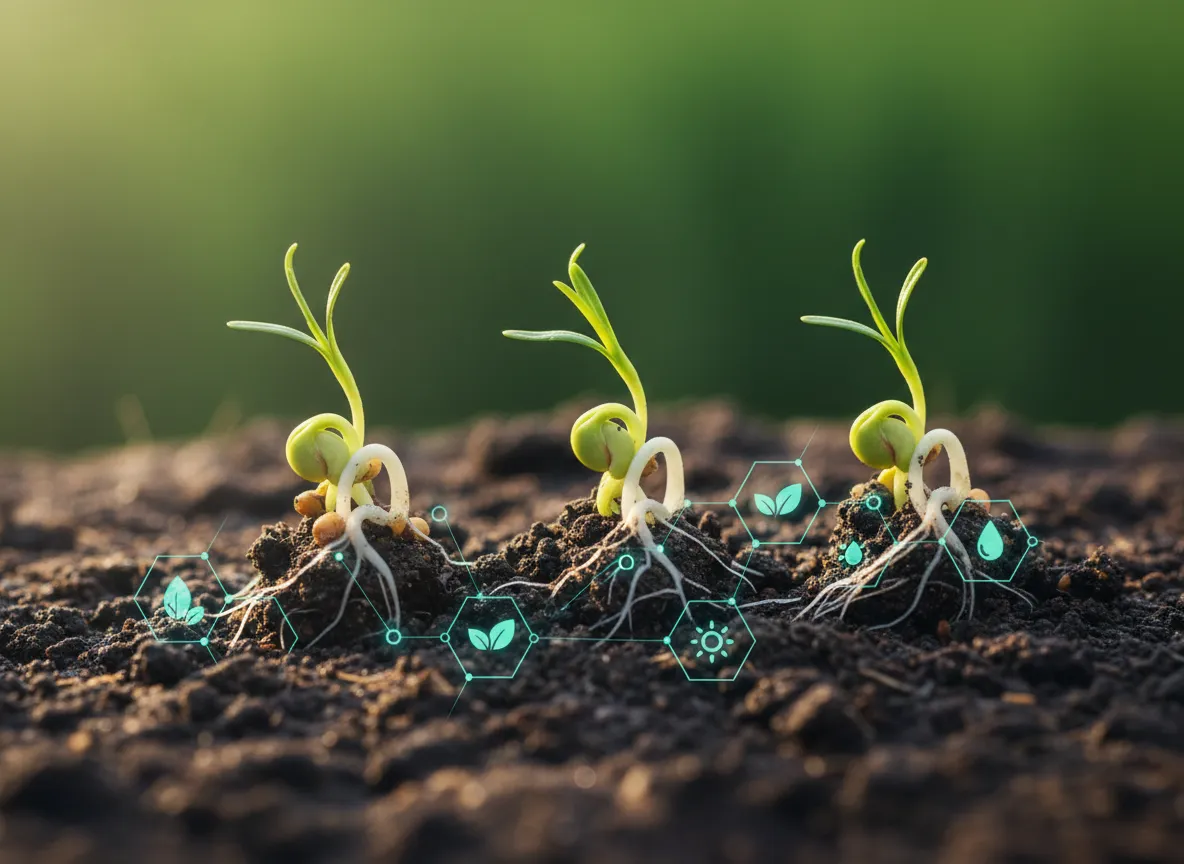
Our subscription products are built on this fundamental biology—delivering concentrated seed nutrition in a convenient daily format.
What is Seed-Based Nutrition?
Seed-based nutrition focuses on the nutrients and bioactive compounds derived from plant seeds. Seeds serve as concentrated biological reservoirs of nutrients including:
- essential fatty acids
- polyphenols
- plant sterols
- lignans
- tocopherols
- antioxidants
These compounds function to protect the plant embryo and ensure successful germination. Many of these same compounds are now being studied for their potential contributions to human health.
Examples of nutritionally significant seeds include black cumin, grape, raspberry, flax, pumpkin, and sesame. Seeds frequently contain significantly higher concentrations of protective compounds compared with mature plant tissues.
Subscription Formulas Built on Seed Science
Each monthly shipment combines multiple seed sources to provide a broad spectrum of plant-derived bioactives in one simple routine.
- Scientifically curated seed combinations
- Once-a-day, mix-and-go convenience
- Flexible subscriptions you can pause anytime
From Ancient Diets to Modern Diets
Throughout most of human history, diets consisted primarily of natural foods derived directly from plants and animals. Over the past century, however, global food systems have undergone a profound transformation driven by industrialization, urbanization, and mass food production.
Then: Whole, Ancestral Nutrition
Traditional diets typically included:
- seeds and nuts
- fruits and vegetables
- roots and tubers
- whole grains
- wild plants
Now: Hyper-Processed Convenience
Modern diets increasingly emphasize:
- ultra-processed foods
- refined carbohydrates
- chemically modified oils
- added sugars
- highly processed convenience foods
Our mission is to bring seed-based, minimally processed nutrition back into modern life—without sacrificing convenience.
A Global Health Challenge
In recent decades, the world has witnessed a dramatic rise in chronic health conditions associated with diet and lifestyle. According to the World Health Organization, global obesity rates among children and adolescents have increased dramatically over the past four decades—nearly tenfold in some populations.
This change represents one of the most significant public health challenges of the modern era. While many factors contribute to this trend, researchers increasingly recognize the role of changing dietary patterns.
Seed-based nutrition is not a cure, but it is part of a global movement to realign everyday eating patterns with nature’s original, nutrient-dense designs.

Our subscription model is designed to make consistent, science-informed nutrition easier than ever—so individuals can build healthier baselines over time.
The Return of Food as Medicine
Modern medicine is increasingly rediscovering the importance of nutrition in human health. Emerging fields such as functional medicine, lifestyle medicine, nutritional genomics, and metabolic health science explore how diet influences biological systems at the molecular level.
The concept of Food as Medicine has gained renewed attention within medical and scientific communities. Rather than viewing food solely as a source of calories, researchers are examining the role of plant-derived bioactive compounds in supporting human physiology.
Why Seeds Fit the Food-as-Medicine Model
- High density of naturally occurring bioactives
- Alignment with whole-food, plant-based approaches
- Supports personalized nutrition strategies
- Helps bridge gaps in modern dietary patterns
Our subscription products are designed to integrate seamlessly into functional and lifestyle medicine frameworks as part of a holistic, food-first strategy.
Seeds and Sustainable Nutrition
Seeds represent one of the most efficient biological nutrient systems in nature. They offer several advantages as a sustainable nutritional resource:
- high nutrient density
- natural shelf stability
- efficient agricultural production
- minimal processing requirements
- renewable plant reproduction cycles
As the global population continues to grow, sustainable food systems will become increasingly important. Seed-derived nutrition may play a meaningful role in future sustainable nutrition strategies.
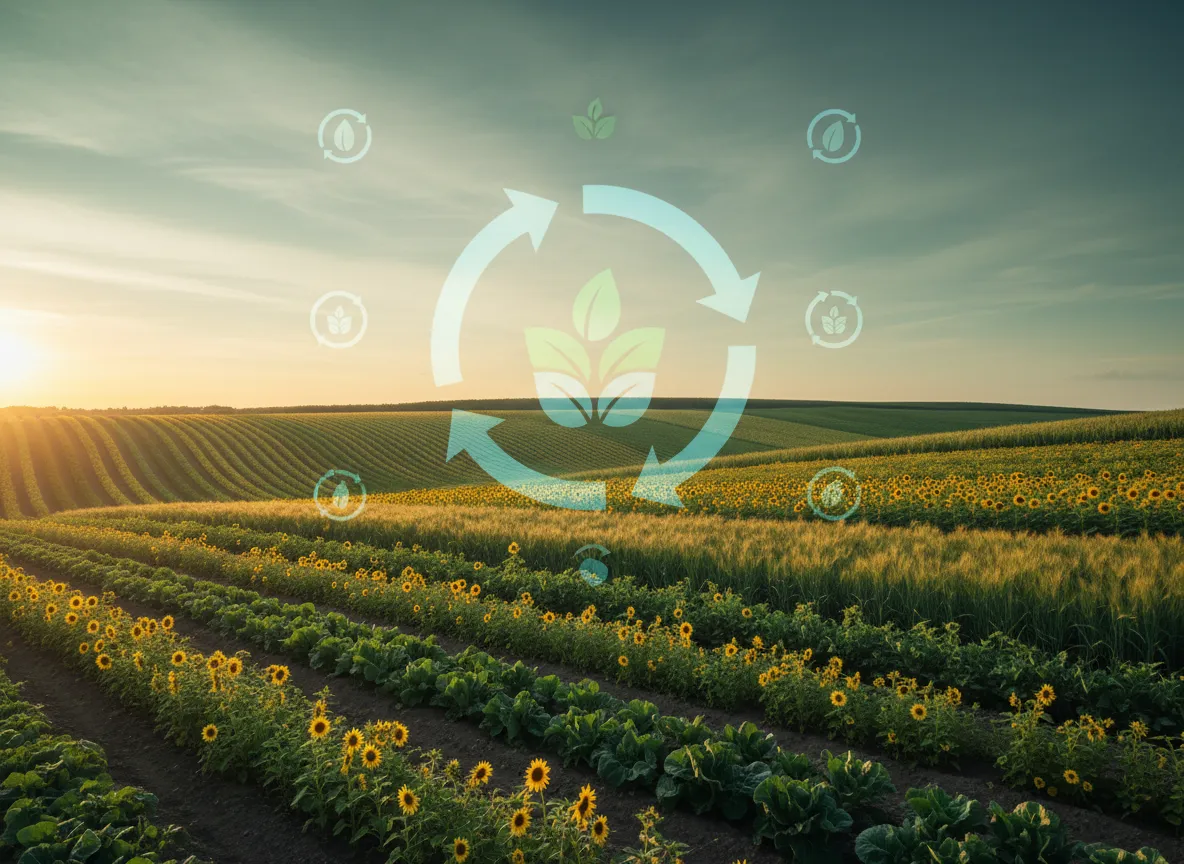
Every subscription supports responsible sourcing and seed-centric agriculture initiatives as we grow.'
Nutrition for Modern Life
One of the major drivers behind the rise of processed foods was convenience. Busy lifestyles often lead individuals to choose foods that are quick and easy to consume, even when those options may be less nutritionally optimal.
Seed-Based Convenience
Modern innovations in seed-based nutritional products aim to provide convenient access to concentrated plant nutrients—no juicers, blenders, or complex prep required.
Multi-Seed Formulations
Companies such as Rain International focus on formulations derived from multiple seed sources. These products are designed to complement healthy diets and provide accessible sources of plant-based nutrients.
Your Monthly Seed Ritual
- Choose your seed-based plan
- Receive monthly deliveries at your door
- Mix, sip, or sprinkle in under 30 seconds

About Dr. Daniel L. Beckles
Dr. Daniel L. Beckles, MD, PhD is a cardiothoracic surgeon and molecular biologist with more than three decades of medical experience. His career spans high-acuity clinical practice, academic research, and medical education.
Dr. Beckles’ work explores the intersection of medicine, nutrition science, and preventive health. Trained in both molecular and cellular biology as well as cardiothoracic surgery, he brings a rare systems-level perspective to questions about how daily nutrition choices influence long-term cardiovascular and metabolic outcomes.
He has contributed to numerous scientific publications and research projects in cardiovascular medicine and molecular biology. Through the Seed Nutrition Science Institute, Dr. Beckles is dedicated to making high-quality, science-based nutrition education more accessible to clinicians, researchers, and the general public.
His vision is to help individuals understand not just what to eat, but why the biological design of foods—especially seeds—matters for long-term health.
Medical Disclaimer
The information presented on this website is for educational purposes only. Seed-based nutritional supplements are not intended to diagnose, treat, cure, or prevent disease. Individuals should consult qualified healthcare professionals before making changes to medical treatments or dietary programs.
Download the Scientific White Paper
The Science of Seed Nutrition
Explore the emerging field of seed-based molecular nutrition and its potential role in future sustainable food systems. This white paper synthesizes current scientific literature, traditional knowledge, and systems-level thinking on seeds as nutrient reservoirs.